


Director, British Council Pakistan
Strengthening UK-Pakistan Educational Ties
Read More UK-Pakistan Ties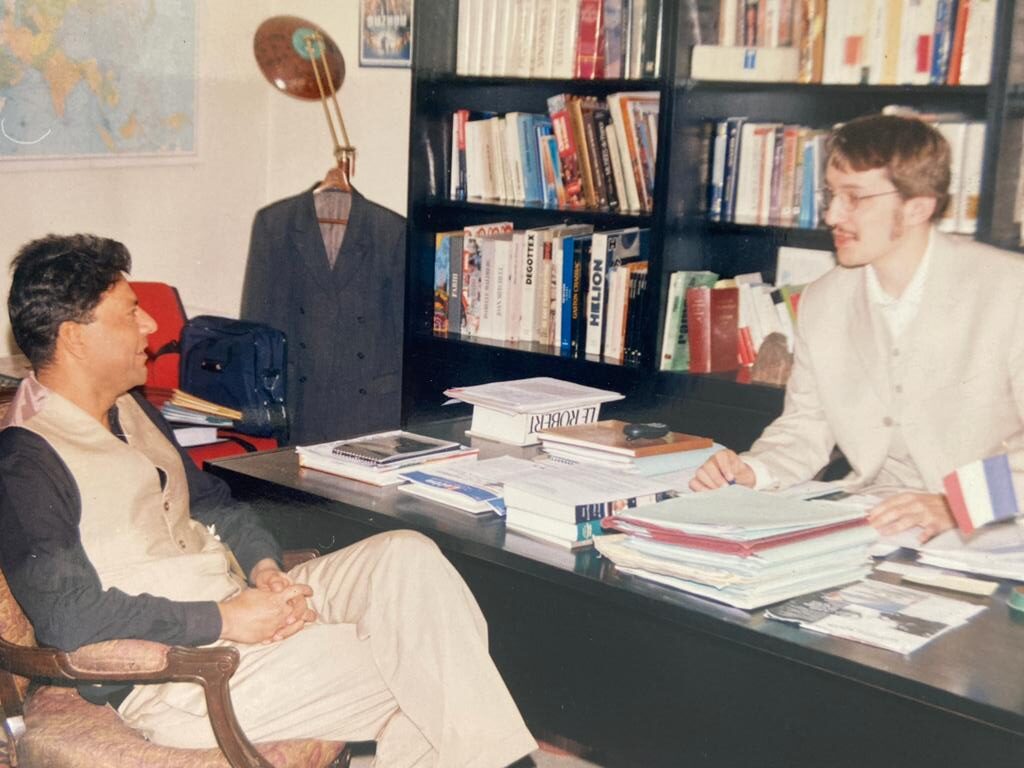
Exclusive Interviews | Bridging Nations Through Education
Strengthening UK-Pakistan Educational Ties
Read More UK-Pakistan Ties
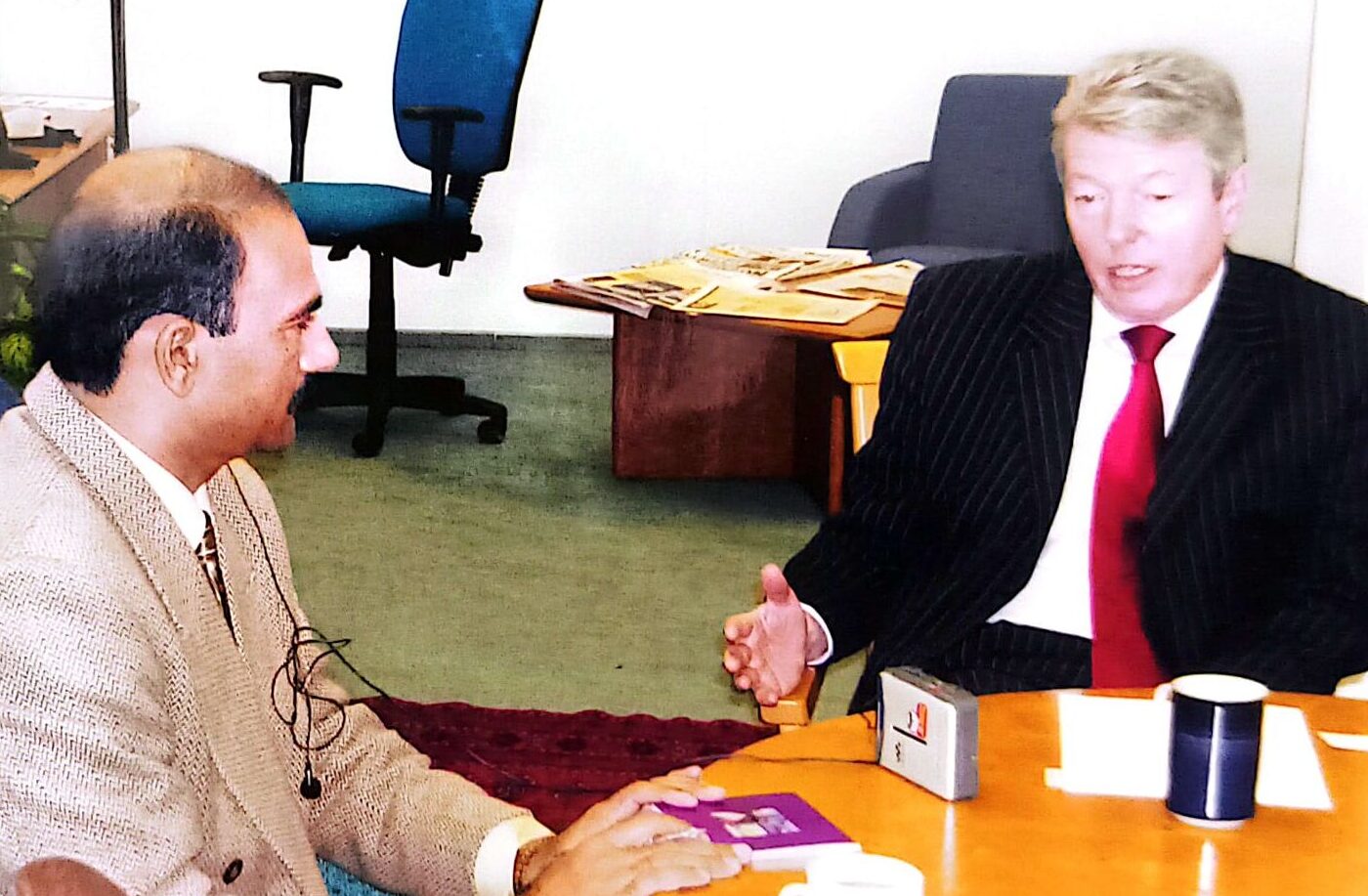
During an official visit to the United Kingdom in 2007, the Education Scenario International Team was honoured to conduct an exclusive interview with the UK’s Secretary of State for Education and Skills, Rt. Hon. Alan Johnson MP, as part of a high-level education and culture mission organized in collaboration with the British Council Pakistan. This landmark interaction was facilitated by Ms. Rakhshanda Khushal, then Director Education UK, whose visionary leadership in strengthening UK-Pakistan education ties is widely acknowledged. This candid conversation covered policy reforms, vocational education, internationalization, and the vital role of institutions like the British Council in promoting global educational cooperation.
1. Education Scenario: Mr. Johnson, thank you for your time. What were your key priorities upon taking office in 2006?
Alan Johnson MP: It’s a pleasure to speak with your team. From the outset, my focus has been to ensure that our education system prepares young people for a rapidly changing world. We aimed to raise standards in schools, expand access to vocational training, and ensure that every student—regardless of background—has the chance to succeed. Skills are now as critical as academic knowledge.
2. Education Scenario: The UK’s commitment to both university education and practical skills is well noted. How have you addressed this balance?
Alan Johnson MP: Indeed, we’ve made substantial progress. We introduced the 14–19 education reforms, giving students more choice and flexibility. While academic achievement is important, we’re equally committed to apprenticeships, technical diplomas, and pathways that reflect the diversity of learners. The goal is a system where no talent goes unrecognized.
3. Education Scenario: What is the significance of international cooperation in education, especially with countries like Pakistan?
Alan Johnson MP: The world is increasingly interconnected. We view education as a bridge between cultures. Our relationship with Pakistan is particularly important—rich in history, people-to-people ties, and shared values. Through student mobility, research partnerships, and faculty exchanges, both nations benefit immensely. It’s about mutual growth, not one-way knowledge transfer.
4. Education Scenario: What message do you have for Pakistani students considering the UK as their study destination?
Alan Johnson MP: To Pakistani students, I say: The UK welcomes you. You bring vibrancy, curiosity, and leadership potential. Our universities are among the best in the world, not only in teaching but in fostering open minds. Whether it’s engineering, business, or creative arts, your presence strengthens our academic communities.
5. Education Scenario: How do you view the role of the British Council in building education and cultural ties with Pakistan?
Alan Johnson MP: The British Council is fundamental to our international strategy. Its work in Pakistan spans over half a century—supporting education, arts, and civil society. Programs like IELTS, scholarship facilitation, and teacher training have transformed thousands of lives. I must recognize Ms. Rakhshanda Khushal for her dynamic leadership in ensuring that education remains a shared value between our countries.
6. Education Scenario: Skills development is being emphasized globally. Why is it critical for the UK?
Alan Johnson MP: We’re in the midst of a global shift. Jobs are changing, and skills—not just degrees—determine employability. That’s why we’re rolling out new apprenticeships, enhancing further education colleges, and ensuring schools develop soft skills like communication and teamwork. Our aim is to prepare youth not just for jobs, but for lifelong learning.
7. Education Scenario: What reforms during your tenure do you believe will have a lasting impact?
Alan Johnson MP: Every Child Matters agenda, our focus on personalised learning, and investment in school leadership will, I believe, stand the test of time. But equally, our efforts to bring employers, educators, and policymakers together—especially through the Skills Strategy—are paving the way for a more responsive and inclusive system.
8. Education Scenario: What advice would you offer to education policymakers in emerging countries like Pakistan?
Alan Johnson MP: Focus on access, quality, and equity. Invest in teachers—they are the heart of any education system. Encourage community engagement, and build policies that reflect your unique social fabric. International partnerships, such as those between the UK and Pakistan, can accelerate progress by sharing models that work.
9. Education Scenario: Publications like Education Scenario Magazine are becoming key platforms for education debate. Your thoughts?
Alan Johnson MP: Absolutely essential. Informed discussion is the bedrock of good policy. Education Scenario Magazine provides a unique regional voice, connecting stakeholders from government, academia, and industry. I commend your team for fostering dialogue on education reform, student mobility, and the future of learning. Such platforms help translate vision into action.
10. Education Scenario: A final message for youth aspiring to lead change through education?
Alan Johnson MP: Be bold. Education is not just a tool for personal growth—it’s a force for societal transformation. Whether you’re a student, teacher, or policymaker, never underestimate your power to inspire change. Seek knowledge, but also seek to serve. The world needs thoughtful, skilled, and compassionate leaders now more than ever.
Editorial Reflection | Education Scenario TeamOur team’s interaction with Rt. Hon. Alan Johnson MP offered not just an interview, but a shared vision for education as a catalyst for inclusive development and international understanding. At a time when the UK was undergoing major reforms in its education and skills agenda, this dialogue was a timely affirmation of shared priorities between the UK and Pakistan. We remain grateful to Ms. Rakhshanda Khushal, whose facilitation of this visit underscores the British Council’s pivotal role in promoting global educational exchange. Her dedication continues to inspire initiatives that connect minds and open doors for students across borders. As Education Scenario Magazine marks its ongoing mission to amplify educational voices, we reaffirm our commitment to bridging nations, highlighting reform, and celebrating thought leadership that guides the way forward.
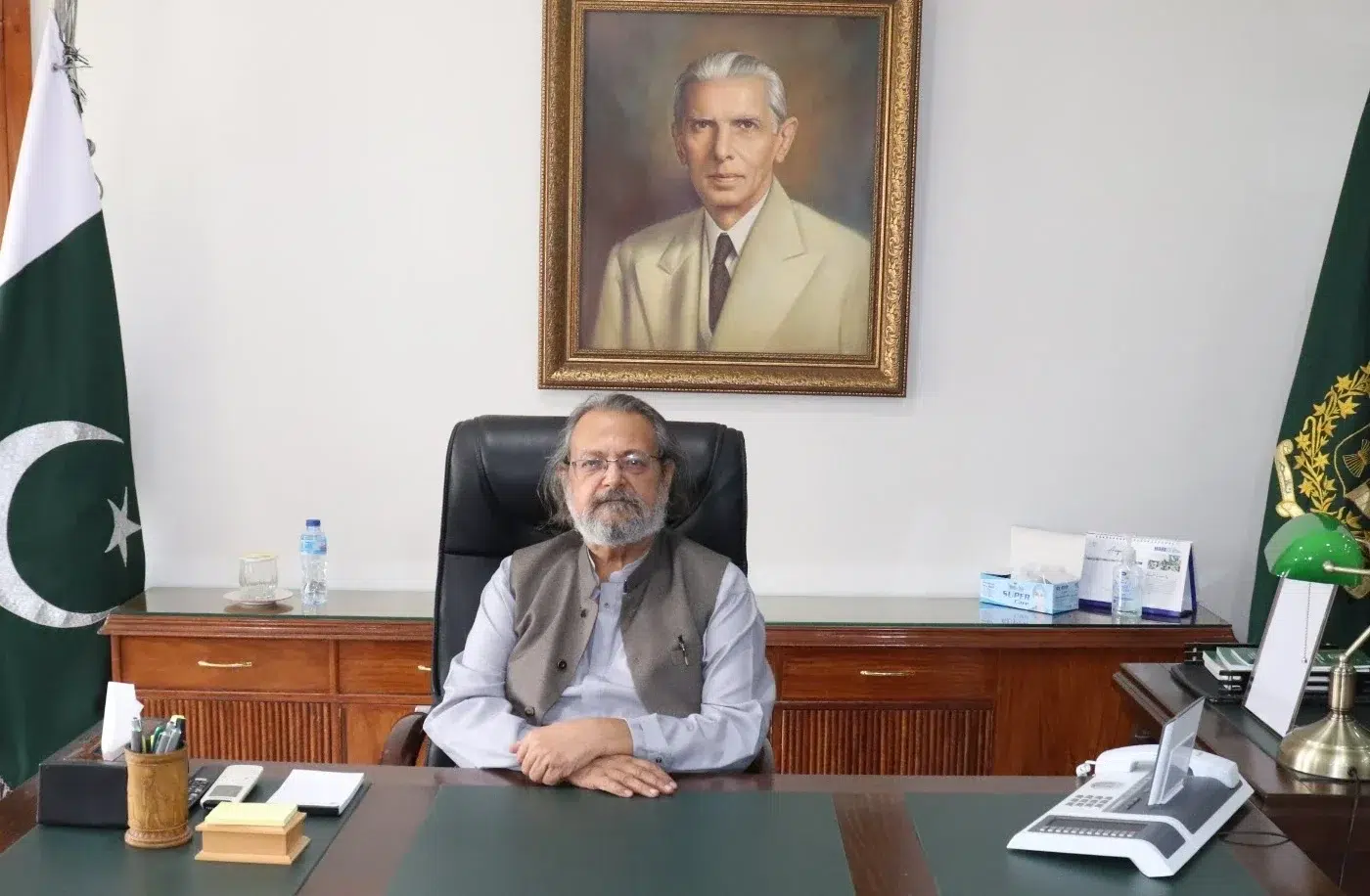
Few names in Pakistan’s academic landscape command the respect that Dr. Atta-ur-Rahman does. A globally recognized scientist and visionary reformer, Dr. Rahman’s tenure as Federal Minister for Science and Technology (2000–2002) and later as Chairman of the Higher Education Commission (2002–2008) marked an era of unprecedented transformation in Pakistan’s higher education system. Under his leadership, bold reforms were initiated to modernize universities, promote research, and internationalize academic standards. The Education Scenario International Team sat down with Dr. Rahman in Islamabad for an in-depth conversation on the journey, achievements, and future vision of Pakistan’s higher education and science policy.
1. Education Scenario: Dr. Rahman, what inspired you to lead reforms in science and higher education at a national level?
Dr. Atta-ur-Rahman: My scientific training instilled in me a deep conviction that knowledge and innovation are the engines of development. When I was offered the opportunity to serve, I saw it as a national duty to contribute to rebuilding Pakistan’s higher education infrastructure, which had long been neglected. My aim was to unlock the country’s intellectual potential and place it on the global academic map.
2. Education Scenario: You’ve often spoken about the “silent revolution” in higher education. What do you mean by that?
Dr. Atta-ur-Rahman: The term refers to the comprehensive and systemic reforms we initiated under HEC. These included faculty development, digital libraries, performance-based funding, tenure track systems, and overseas scholarships. The transformation was not just structural—it was a mindset shift. Universities began to prioritize research excellence, meritocracy, and international collaboration. Within five years, Pakistan’s scientific output quadrupled.
3. Education Scenario: What were the main hurdles you faced in implementing these reforms?
Dr. Atta-ur-Rahman: There were multiple challenges—bureaucratic resistance, funding constraints, and in some cases, institutional inertia. Some stakeholders were uncomfortable with performance-based accountability. But we persisted with strong political backing, especially from President Pervez Musharraf at the time. The key was transparency, merit, and institutional autonomy. Once universities saw results, they became partners in change.
4. Education Scenario: You launched one of the largest scholarship programs in Pakistan’s history. What was its vision?
Dr. Atta-ur-Rahman: The Overseas Scholarship Scheme was based on the principle that to raise the quality of local institutions, we must train our brightest minds at top international universities. We sent thousands of scholars abroad—many to the US, UK, Germany, China, and Australia—with the clear expectation that they would return and contribute to Pakistan’s knowledge economy. This investment in human capital is already bearing fruit.
5. Education Scenario: How did ICT and digital access become a core pillar of your higher education agenda?
Dr. Atta-ur-Rahman: I believe digital infrastructure is foundational to modern education. Under the HEC, we launched the Pakistan Education and Research Network (PERN), connected universities through high-speed internet, provided free access to over 45,000 journals, and digitized course materials and theses. It democratized knowledge and helped bridge the rural-urban academic divide.
6. Education Scenario: What role do international partnerships play in HEC’s vision?
Dr. Atta-ur-Rahman: They are absolutely critical. We signed MoUs with leading universities like Cambridge, Oxford, and MIT for faculty exchange, joint research, and curriculum development. Countries like Germany, China, South Korea, and France supported PhD programs and technological cooperation. Pakistan must be part of the global academic ecosystem, not on its fringes.
7. Education Scenario: How did you address concerns around quality versus quantity in university expansion?
Dr. Atta-ur-Rahman: That’s a valid concern. While we expanded access—with new universities and sub-campuses—we placed strict emphasis on quality assurance. We established the Quality Assurance Agency (QAA) under HEC, introduced ranking criteria, encouraged peer-reviewed publications, and launched the tenure track system to reward top performers. The message was clear: quantity without quality is meaningless.
8. Education Scenario: What message do you have for the youth of Pakistan?
Dr. Atta-ur-Rahman: Believe in your potential. You are as capable as students anywhere in the world. What you need is access to quality education, mentors, and a culture of innovation. Use knowledge not just to improve your life, but to transform your community and your country. The future of Pakistan lies in its youth, not its resources.
9. Education Scenario: How do you see the role of platforms like Education Scenario Magazine in promoting educational reform?
Dr. Atta-ur-Rahman: Such platforms are invaluable. Education Scenario Magazine provides a dedicated voice for educators, students, and policymakers. It informs, inspires, and challenges readers to think critically. I commend your efforts in highlighting the intersection of policy, practice, and potential in education. These narratives matter in shaping public understanding and engagement.
10. Education Scenario: What are your aspirations for Pakistan’s education system over the next decade?
Dr. Atta-ur-Rahman: My hope is that we sustain the momentum of reform—that higher education remains a national priority, not a political afterthought. We must aim for world-class research universities, a vibrant skills ecosystem, and a society where knowledge is respected and rewarded. With the right policies and leadership, Pakistan can become a hub of innovation in South Asia.
Editorial Insight | Education Scenario TeamOur dialogue with Dr. Atta-ur-Rahman left us with a deep appreciation of the transformative vision that guided Pakistan’s Higher Education Revolution in the early 2000s. From faculty development to digital libraries, and from international scholarships to quality assurance, his leadership offered a comprehensive blueprint for educational excellence. More than a scientist and policymaker, Dr. Rahman is a national asset, whose unwavering commitment to intellectual upliftment has already created a lasting legacy. The Education Scenario Magazine remains proud to document and amplify the stories of those like him who strive to redefine the future of Pakistan through education and science.
Education Scenario International Team sat down for an in-depth conversation with Syed Madad Ali Sindhi, a respected intellectual, historian, and former caretaker Federal Minister for Education and Professional Training. Known for his calm demeanor and scholarly insight, Mr. Sindhi served during the politically sensitive transitional phase in 2023–2024, where he brought clarity, stability, and a humanistic vision to Pakistan’s national education priorities. In this exclusive interview, Mr. Sindhi shares his reflections on Pakistan’s education landscape, national policies, skills development, and the role of federal leadership in shaping future generations.
Education Scenario: Mr. Sindhi, what was your foremost priority upon assuming the role of caretaker Minister for Education?
Syed Madad Ali Sindhi: My primary goal was to ensure continuity and integrity in Pakistan’s education system during a politically transitional period. I focused on safeguarding ongoing projects, promoting inclusive access, and strengthening coordination between federal and provincial education departments. Despite the brevity of the tenure, we made efforts to ensure that key educational reforms didn’t lose momentum.
2. Education Scenario: What do you see as the core challenges in Pakistan’s higher education sector?
Syed Madad Ali Sindhi: There are several. Among them, the most pressing are: Lack of quality assurance, Funding limitations, Uneven standards across provinces, Insufficient research output, and a disconnect between academia and industry. Furthermore, we still face issues in governance structures, curriculum relevance, and faculty development. What we need is a coherent national strategy that respects provincial autonomy while setting minimum national benchmarks.
3. Education Scenario: During your time, what steps did you take to improve the higher education landscape?
Syed Madad Ali Sindhi: I prioritized engagement with the Higher Education Commission (HEC) and provincial higher education departments. We conducted stakeholder consultations, addressed funding bottlenecks, and encouraged the expansion of online learning platforms. Moreover, we supported initiatives on youth employability, entrepreneurship, and the alignment of TVET (Technical and Vocational Education and Training) with national development needs.
4. Education Scenario: How important is skills development in Pakistan’s national agenda?
Syed Madad Ali Sindhi: It is absolutely essential. Pakistan has a youth bulge, and unless we equip our young people with practical, market-relevant skills, we risk wasting our demographic dividend. I advocated for public-private partnerships, enhanced industry linkages, and modernization of vocational training centers. Skills must become aspirational, not just a fallback for those who don’t go to university.
5. Education Scenario: How did you view the role of digital education and EdTech?
Syed Madad Ali Sindhi: The COVID-19 pandemic proved the critical value of digital learning tools. In my tenure, we explored ways to further strengthen Virtual University, TeleSchool, and other digital platforms. However, digital education must be inclusive—we must bridge the urban-rural digital divide. Access to technology should never become a new form of inequality.
6. Education Scenario: What was your approach to federal-provincial collaboration?
Syed Madad Ali Sindhi: In a post-18th Amendment Pakistan, coordination is more important than ever. I ensured that the federal ministry acted as a facilitator, not a controller. We held regular dialogues with provincial ministers, encouraged knowledge sharing, and emphasized policy coherence. Education is a national issue—despite administrative divisions, our goals must remain aligned.
7. Education Scenario: What are your thoughts on curriculum reform and values-based education?
Syed Madad Ali Sindhi: Education must shape not only skilled individuals but also responsible citizens. I supported reforms that embed critical thinking, cultural identity, history, ethics, and tolerance in the curriculum. We need to teach our students how to think, not just what to think. Pakistan’s diversity must be reflected positively in its textbooks.
8. Education Scenario: What role should international organizations like the British Council or UNESCO play in our education sector?
Syed Madad Ali Sindhi: They have been reliable partners in our journey. The British Council, in particular, has done commendable work in teacher training, scholarship programs, and promoting cultural exchange. International collaboration must go beyond aid—it should foster mutual learning, research networks, and institutional development. I’ve always believed in global partnerships that respect local realities.
9. Education Scenario: What message would you like to give to students and youth in Pakistan?
Syed Madad Ali Sindhi: To the youth of Pakistan, I say: education is your most powerful weapon. Learn with sincerity, question the world around you, and strive to build a better future not just for yourself, but for your country. Don’t just seek jobs—be creators, entrepreneurs, and critical thinkers. And above all, stay connected to your roots, your language, and your identity.
10. Education Scenario: Finally, your thoughts on Education Scenario Magazine and its role in education advocacy?
Syed Madad Ali Sindhi: Education Scenario Magazine is playing a vital national and international role. It connects policymakers, educators, students, and institutions. It provides a neutral and informed space to discuss challenges, share solutions, and amplify innovation. I believe such platforms are indispensable for shaping national educational consciousness. I commend your efforts and urge you to expand your outreach to rural areas and student communities.
Editorial Note | Education Scenario TeamOur interview with Syed Madad Ali Sindhi offered a rare blend of intellectual depth and administrative insight. Though his tenure was short, his emphasis on ethical education, policy continuity, and youth empowerment left a strong impression on the sector. His vision reminds us that real transformation does not always require long tenures—it requires clarity, commitment, and compassion. As Education Scenario International continues its journey of documenting voices that matter in the world of education, this dialogue with Mr. Sindhi reinforces the importance of dialogue, inclusion, and collective will in moving Pakistan’s education system forward.
In a world rapidly transforming through knowledge and collaboration, international education has become a bridge connecting cultures, economies, and aspirations. The Education Scenario Team recently sat down with the esteemed President of the European University of Lefke (EUL) for an exclusive interview to explore the university’s internationalization strategy, academic strengths, and its growing ties with Pakistan.
1. Education Scenario: President, thank you for joining us. How would you describe the internationalization vision of the European University of Lefke?
President, EUL: Thank you for having me. Our internationalization vision is deeply rooted in providing inclusive, accessible, and globally competitive education. EUL currently welcomes students from over 80 countries, and we aim to be a hub of cultural diversity and academic excellence in the region. We want students to not only learn but also to share their own cultures and experiences, thereby enriching our academic community.
2. Education Scenario: How important is the Pakistani student community in your international outreach?
President, EUL: Pakistani students are extremely important to us. Their strong academic foundation, motivation, and adaptability make them valuable contributors to our campus life. Over the years, we’ve seen a steady rise in applications from Pakistan, and we are working closely with partners, like Education Scenario, to make the process even smoother for them. We are also exploring customized scholarships and support services tailored to their needs.
3. Education Scenario: Speaking of support, what scholarships or financial aid options are available for international students, especially from South Asia?
President, EUL: We offer 50% tuition scholarships automatically to all international students, including Pakistanis. Additionally, based on academic excellence and need, students can apply for merit-based and social scholarships that may cover up to 75% or even 100% of tuition. Our goal is to ensure that talented students are not held back by financial limitations.
4. Education Scenario: How is EUL positioning itself in terms of academic strengths and future-readiness?
President, EUL: We focus on areas that are essential for the future—engineering, health sciences, AI and technology, and business studies. Our research centers are collaborating with global institutions, and we encourage undergraduate students to participate in innovation competitions, research, and industry internships. Future-readiness at EUL is not just about degrees; it’s about developing global citizens.
5. Education Scenario: Could you share more about EUL’s partnerships and global collaborations?
President, EUL: Certainly. We have academic agreements with over 100 universities worldwide. These range from Erasmus+ mobility partnerships with European institutions to bilateral MoUs in Asia and Africa. We’re also in advanced discussions with Pakistani universities for student and faculty exchange programs, curriculum alignment, and joint research. Collaborations like these are central to our internationalization roadmap.
6. Education Scenario: What would you say are the top three reasons for a student from Pakistan to choose EUL?
President, EUL: First, Affordability with Quality – we provide international education at a very reasonable cost without compromising on academic standards. Second, Multicultural Campus Life – students feel at home while meeting peers from around the globe. Third, Career Opportunities – our graduates are working in international organizations, health systems, multinational firms, and startups. Many return to Pakistan and make a difference.
7. Education Scenario: In what ways does EUL support international students during their stay in Northern Cyprus?
President, EUL: From the moment they arrive, students are welcomed with an orientation program, assigned academic advisors, and offered language support if needed. We provide student-friendly housing, career counseling, and on-campus employment opportunities. Our International Office ensures their transition is smooth and their journey is successful both academically and personally.
8. Education Scenario: With AI, climate change, and geopolitical shifts, how is EUL adapting its curriculum?
President, EUL: We’ve introduced interdisciplinary programs that combine technology, ethics, and social sciences. Courses on AI in healthcare, climate policy, and digital entrepreneurship are now integral parts of our curriculum. Additionally, we continuously revise our syllabi to reflect the latest industry standards and global trends.
9. Education Scenario: How do you perceive Education Scenario Magazine’s role in international education?
President, EUL: Education Scenario Magazine is a powerful voice in promoting global educational dialogue, particularly across South Asia, the Middle East, and Europe. Its role in highlighting institutional success stories, promoting academic mobility, and offering insights into student life and policy changes is commendable. We value its contribution to increasing visibility for universities like ours and its role in connecting institutions with passionate students.
10. Education Scenario: Finally, any message for students and families in Pakistan considering studying at EUL?
President, EUL: To students and families in Pakistan: we understand your dreams and your aspirations. At the European University of Lefke, we are committed to nurturing talent, respecting diversity, and preparing you for a future where your skills and values matter. Come join our community – your global journey starts here.
Education Scenario CommentThis interview marks another important milestone in Education Scenario Magazine’s mission to spotlight meaningful global partnerships, affordable academic opportunities, and supportive environments for students seeking international education. With a two-decade-long legacy of building bridges between students and institutions, the magazine continues to act as a catalyst for collaboration, knowledge sharing, and mutual respect. The European University of Lefke represents a promising destination for Pakistani students looking for quality education, cultural exchange, and a clear pathway to professional success. For more exclusive interviews, academic profiles, and global education insights, stay connected with Education Scenario Magazine – where opportunity meets inspiration.
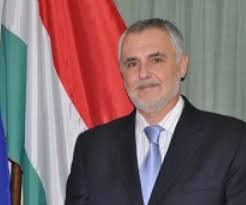
As Hungary emerges as a growing destination for Pakistani students in Europe, Education Scenario Magazine sat down with His Excellency István Szabó, the Ambassador of Hungary to Pakistan, to discuss educational partnerships, cultural exchange, and the growing relevance of Study in Hungary in the South Asian region. The ambassador shared his insights on the progress made and the road ahead.
1. Excellency, how do you see the state of bilateral relations between Hungary and Pakistan, particularly in the area of education?
H.E. István Szabó: The bilateral relations between Hungary and Pakistan are friendly and steadily growing. While our cooperation in trade and energy sectors has been prominent, educational ties are becoming an increasingly important component of our relationship. Hungary recognizes the immense potential in Pakistan’s youth and academic talent, and through initiatives such as the Stipendium Hungaricum Scholarship Program, we are making quality European education accessible to Pakistani students.
2. The Stipendium Hungaricum program has garnered much interest in Pakistan. How has its impact evolved in recent years?
H.E. István Szabó: The Stipendium Hungaricum is one of our flagship scholarship initiatives, offering full-funded education opportunities across a wide range of disciplines. In recent years, the number of Pakistani students applying and being selected for this program has significantly increased. These students not only pursue their academic goals in Hungary but also contribute to cross-cultural understanding between our nations. We are proud to host bright minds from Pakistan in Hungarian universities.
3. Education Scenario Magazine has played a proactive role in promoting Study in Hungary among Pakistani students and institutions. How do you view its contribution?
H.E. István Szabó: I truly appreciate the efforts of Education Scenario Magazine in promoting Hungary as a desirable study destination. Their articles, interviews, expos, and roadshows have created much-needed awareness among students and parents in Pakistan. The magazine has become a credible platform for disseminating information about Hungarian universities, scholarship programs, and visa processes. Such initiatives complement embassy efforts and bridge the information gap in a very effective way.
4. What are the key academic areas where Hungary offers competitive advantages for international students, particularly from Pakistan?
H.E. István Szabó: Hungary offers strong academic programs in medicine, engineering, natural sciences, agriculture, and economics. Hungarian universities are known for their high academic standards and research output, and many of them are recognized globally. For Pakistani students, medical education remains a popular choice, given the English-taught programs and comparatively affordable tuition. Engineering, computer science, and water resource management are also gaining traction.
5. How does the Hungarian government ensure the quality and global recognition of its education system?
H.E. István Szabó: Hungary’s education system is monitored by the Hungarian Accreditation Committee and is integrated within the European Higher Education Area (EHEA), following the Bologna Process. Degrees awarded by Hungarian universities are widely recognized across Europe and internationally. Moreover, our institutions emphasize research, innovation, and practical learning, ensuring graduates are prepared for the global job market.
6. What role has the Higher Education Commission (HEC) of Pakistan played in facilitating academic cooperation between Hungary and Pakistan?
H.E. István Szabó: The HEC has been an essential partner in our educational cooperation. Through its collaboration with the Tempus Public Foundation, the HEC helps nominate eligible candidates for scholarships, validate academic credentials, and promote opportunities available in Hungary. Its role in quality assurance, academic equivalency, and institutional partnership-building has been pivotal. We highly value this institutional synergy between the two countries.
7. Are there efforts underway to initiate or strengthen institutional linkages between Hungarian and Pakistani universities?
H.E. István Szabó: Yes, there are ongoing dialogues and expressions of interest from both sides. We are encouraging Hungarian universities to sign MoUs with top Pakistani institutions to promote faculty exchange, joint research, and student mobility. Events such as education expos, delegation visits, and online academic roundtables are also helping in forging these ties. Strengthening institutional cooperation is a priority for the embassy in the coming years.
8. How do Hungarian universities support international students in terms of integration, language, and cultural adaptation?
H.E. István Szabó: Hungarian universities are quite internationalized, with students from over 100 countries. Most institutions offer English-taught programs and have well-established international offices that assist with accommodation, orientation, and cultural integration. In addition, there are cultural festivals, student clubs, and mentoring programs that help new students adjust smoothly to life in Hungary. We take pride in being a welcoming and safe destination for students.
9. As the world becomes increasingly interconnected, how important is educational diplomacy for bilateral relations?
H.E. István Szabó: Educational diplomacy is a cornerstone of modern international relations. It creates long-lasting people-to-people bonds, fosters mutual understanding, and contributes to soft power. Students who study abroad often return with not only academic knowledge but also a broader worldview. They become ambassadors of goodwill. In the case of Hungary and Pakistan, these academic linkages are sowing the seeds for long-term collaboration in multiple sectors.
10. Finally, what message would you like to give to Pakistani students aspiring to study in Hungary?
H.E. István Szabó: My message is simple: Hungary is open to you. It offers world-class education, a rich cultural experience, and a supportive environment for international students. I encourage students to explore the Stipendium Hungaricum, connect with Hungarian university representatives, and make informed choices. The future belongs to those who seek knowledge beyond borders, and Hungary is ready to be your academic home.
Closing NoteThe insights shared by H.E. István Szabó reflect Hungary’s firm commitment to fostering global education and strengthening ties with Pakistan. Through scholarship programs, institutional partnerships, and the support of platforms like Education Scenario Magazine, Hungary continues to establish itself as a gateway to quality European education for Pakistani students.
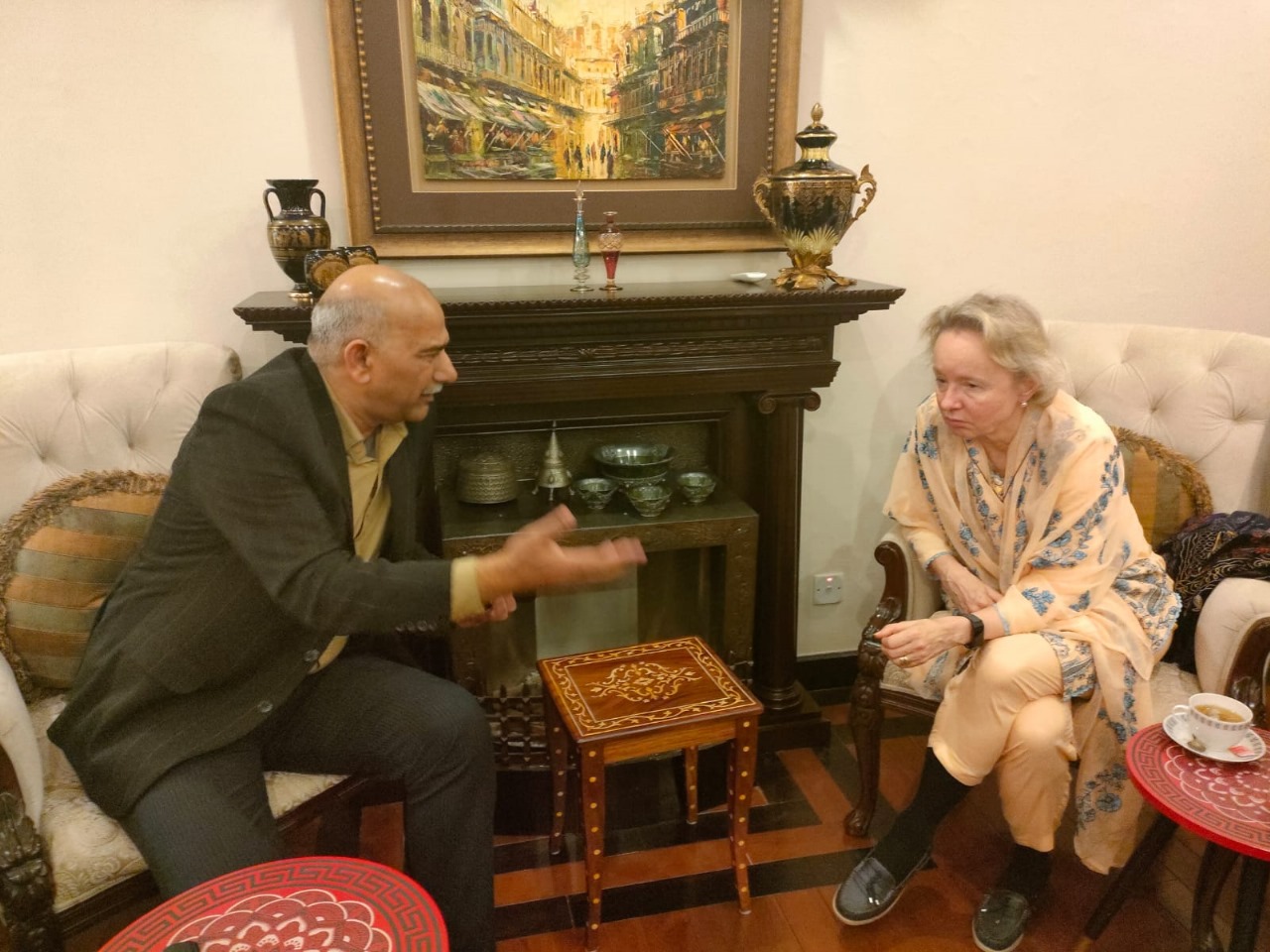
In the heart of Lahore—a city known for its soul, stories, and hospitality—a private dinner was hosted by Mr. Aamer Rafique, Director of the Pak-Austria Centre, in honor of Her Excellency Mrs. Andrea Wicke, the Austrian Ambassador to Pakistan. The evening brought together educationists, business leaders, diplomats, and artists for an enriching informal exchange. Between bites of fusion cuisine and the glow of candlelight, a spirited dialogue unfolded around education, trade, cultural diplomacy, and the blossoming Pakistan–Austria relationship.
1. Your Excellency, thank you for joining us. How do you see Austria’s role as a destination for Pakistani students today?
Ambassador Wicke: Thank you for the warm welcome—it’s wonderful to be in Lahore. Austria has long been committed to quality education, with strengths in engineering, environmental sciences, arts, and innovation. Our universities of applied sciences offer practical, industry-connected programs. Pakistani students, with their academic potential and global outlook, can benefit immensely from Austria’s academic ecosystem.
2. What are your impressions of the Pak-Austria Fachhochschule Institute of Applied Sciences and Technology (PAF-IAST)?
Ambassador Wicke: It’s an extraordinary initiative. PAF-IAST is not only a symbol of educational diplomacy but a real bridge between Austria and Pakistan. It’s offering Austrian-style applied education right here in Haripur. The collaboration reflects a shared vision—producing skilled graduates who can serve both local industry and the global market.
3. What sectors of trade between Austria and Pakistan do you see as having strong future potential?
Ambassador Wicke: There’s great potential in machinery, renewable energy, pharmaceuticals, and information technology. Austria is a hub for green technology and precision manufacturing, while Pakistan offers skilled labor and a growing market. Enhanced trade missions, joint ventures, and digital platforms can significantly boost bilateral economic activity. I also see room for growth in tourism, agriculture technology, and medical sciences.
4. How do you view the role of cultural centers and artistic exchange in strengthening diplomatic ties?
Ambassador Wicke: Cultural diplomacy is the soul of international relations. When people connect through music, film, art, or cuisine, a deeper empathy develops. Austria has a rich musical and cultural legacy—Mozart, Vienna Philharmonic, classical opera—and we’re eager to share that with Pakistan. Equally, Pakistan’s poetry, textiles, and music are captivating. Cultural centers and collaborative projects help keep these conversations alive and meaningful.
5. Have you had the opportunity to engage with Pakistan’s cultural scene during your tenure?
Ambassador Wicke (smiling): Absolutely! Lahore alone is a cultural treasure—from the Lahore Fort to the modern art galleries. I’ve also enjoyed attending festivals, musical evenings, and Sufi performances. Pakistani culture is layered, poetic, and heartfelt. I think there’s a natural affinity between our nations when it comes to valuing art, tradition, and history.
6. What is your view on youth-focused educational diplomacy, such as the working of Mozart House in Lahore?
Ambassador Wicke: It’s vital. When young people are exposed to international ideas, they become more confident, creative, and globally connected. Institutions like the Mozart House in Lahore is a great initiative when it comes to the Pak-Austria Music and Cultural cooperation. Youth engagement is not just an education issue—it’s about peacebuilding, music, economic development, and shared global progress.
7. Austria is a global leader in renewable energy and sustainability. Can that be a platform for future Austria–Pakistan collaboration?
Ambassador Wicke: Without a doubt. Austria is committed to climate action and clean energy, and we’re ready to share our expertise. Pakistan, facing climate challenges, also has a strong desire to transition toward sustainability. Joint projects in hydropower, solar tech, energy-efficient housing, and climate education could be transformative. This is not just good diplomacy—it’s an urgent global need.
8. What does Pakistan’s regional role mean to Austria in terms of broader European and Asian engagement?
Ambassador Wicke: Pakistan’s strategic position—connecting South Asia, Central Asia, and the Middle East—makes it an important regional actor. Austria, as a central European country, values stability, economic growth, and connectivity across regions. Strengthening ties with Pakistan is not only about bilateral relations but also about fostering regional harmony and global collaboration.
9. How can we encourage more Austrians—students, researchers, and artists—to explore Pakistan?
Ambassador Wicke: Storytelling is powerful. When Austrians hear firsthand accounts from their peers about studying, working, or performing in Pakistan, it breaks down barriers. More exchange programs, university collaborations, digital campaigns, and cultural residencies can help. A student from Vienna might be inspired by Pakistani hospitality or a Sufi musician’s rhythm—those experiences create ambassadors for life.
10. Finally, what message would you like to share with the young people of Pakistan?
Ambassador Wicke: You are the future of this country—and this region. Invest in your education, embrace curiosity, and don’t be afraid to dream beyond borders. Austria believes in you. Let us continue building bridges—of understanding, of innovation, and of friendship. The world needs young people who are both grounded in their identity and open to global perspectives.
A Memorable Evening of Diplomacy and DialogueAs the evening drew to a close, guests lingered in conversation, energized by the ambassador’s inspiring insights. Mr. Aamer Rafique reflected warmly, “This dinner wasn’t just about dialogue—it was about vision. About imagining the future of Pak-Austria collaboration beyond formal agreements, into shared learning, art, and humanity.” Her Excellency Mrs. Andrea Wicke left a lasting impression—gracious, intelligent, and forward-looking. The dinner table, often seen as a space of personal warmth, became a platform for global conversation. As Lahore’s night sky embraced the city, the echoes of diplomacy, friendship, and hope for deeper ties between Austria and Pakistan remained.
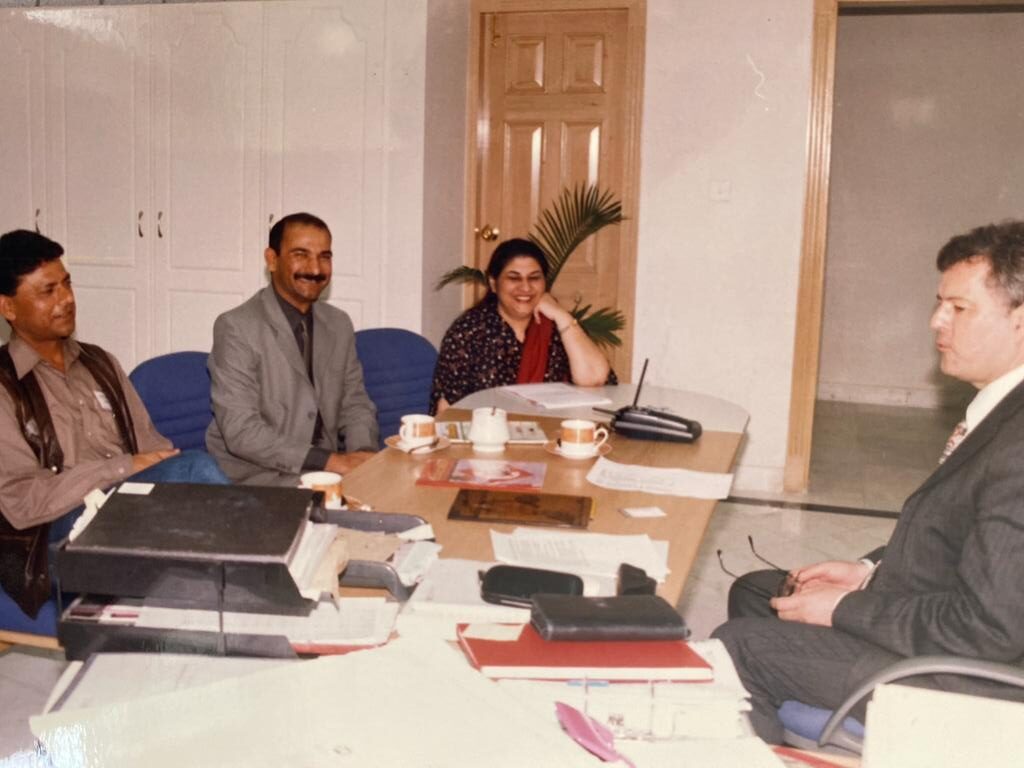
It was an intellectually stimulating afternoon at the iconic Pearl Continental Hotel Lahore, where educational visionaries gathered for an exclusive lunch hosted by Mr. Abu Rehan, then Manager of Education UK, to welcome Mr. Robert Snell, Director of the British Council Lahore. The setting was informal, the ambiance was collegial, and the conversation flowed with insights on education, diplomacy, and media’s role in shaping student aspirations.
1. Mr. Snell, welcome. Let’s start by asking—how significant is the UK as a study destination for Pakistani students today?
Robert Snell: Thank you. The UK has long been a top choice for Pakistani students, and that hasn’t changed. Its education system is built on centuries of excellence, and the degrees are internationally respected. Whether it’s in engineering, business, law, or creative arts, UK institutions offer academic depth, global exposure, and strong employability outcomes.
2. What does the British Council in Lahore focus on in terms of student engagement and academic partnerships?
Snell: The Lahore office serves as a critical link between Pakistani students and UK institutions. We facilitate exams, conduct outreach in schools and universities, and offer advisory support. Beyond that, we support academic partnerships, joint research programs, and faculty exchanges. It’s a comprehensive approach—not just recruitment, but collaboration.
3. What impact did the “Education UK” campaign have in Pakistan during your tenure?
Snell: Education UK was a visionary campaign that made UK education more visible and aspirational for Pakistani students and parents. Under the leadership of people like Mr. Abu Rehan, we expanded outreach through school events, expos, and university linkages. It created a narrative around UK education being not just elite, but accessible and relevant.
4. How do you view the contribution of Education Scenario International Magazine to UK education promotion in Pakistan?
Snell: Tremendously valuable. Education Scenario has become a consistent, reliable platform to communicate with a wide audience—from students and educators to policymakers. Its editorial quality, reach, and focus on international education trends have helped keep UK education in the spotlight. It complements what we do by giving space to stories, data, and expert voices that matter.
5. With a growing youth population in Pakistan, what educational strategies should be adopted to ensure global competitiveness?
Snell: This demographic is both a challenge and a huge opportunity. We must provide them with the tools to thrive globally—skills, language proficiency, cultural fluency, and exposure to innovation. International qualifications like those from the UK offer these dimensions. At the same time, vocational education and digital skills must be strengthened locally.
6. Can you share some British Council initiatives that have made a real difference in the past few years?
Snell: Certainly. Programs like Study UK, Connecting Classrooms, Inspire, and Internationalising Higher Education have created lasting impact. We’ve linked Pakistani institutions with UK counterparts, supported research partnerships, and run English language training in underserved regions. One highlight was supporting the HEC’s research excellence framework through UK collaboration.
7. Transnational education (TNE) is gaining traction. How can the UK and Pakistan strengthen this model?
Snell: TNE is about access and affordability. UK institutions can extend their reach through partnerships, franchised programs, and dual degrees in Pakistan. We already have successful examples, and the appetite is growing. The British Council can play a quality assurance role and provide guidance to ensure these collaborations benefit all parties—especially the students.
8. Culture often goes hand-in-hand with education. How important is cultural diplomacy in your role?
Snell: Extremely important. Cultural understanding builds trust, and trust enables partnerships. From Shakespeare festivals to British film screenings and arts residencies, the British Council uses culture as a language of connection. In Pakistan, where there’s a deep appreciation of history, literature, and the arts, cultural programs reinforce the goodwill around UK education.
9. Alumni play an important role in representing UK education. What’s your experience with Pakistani alumni?
Snell: They’re one of our strongest assets. Pakistani alumni of UK universities are not only proud ambassadors but often leaders in business, academia, government, and civil society. Many of them give back by mentoring youth, guiding new applicants, or forming linkages between institutions. We maintain active alumni networks across cities to keep that engagement alive.
10. Finally, your message to Pakistani students considering studying in the UK?
Snell: Go for it—with preparation and purpose. Studying in the UK is more than just attending classes; it’s an experience that challenges and transforms you. Seek guidance, explore scholarships, and don’t hesitate to reach out to platforms like the British Council and Education Scenario. Education opens doors—but it’s the journey that shapes your worldview.
Conclusion: A Thoughtful Afternoon of Insight and PartnershipAs coffee and dessert were served, the conversation shifted from strategy to storytelling—students who returned empowered, universities that grew through partnership, and friendships that transcended borders. Mr. Abu Rehan, reflecting on the discussion, shared, “Over the years, what I’ve seen is that real change happens when outreach is combined with trust. The UK–Pakistan education partnership is built on that foundation.” The lunch was more than a formal meeting—it was a celebration of collaboration, of shared values in education, and of people like Mr. Robert Snell who have worked quietly but impactfully to connect minds across continents. In today’s fast-evolving global education landscape, such dialogues reinforce the relevance of partnerships, the power of cultural exchange, and the enduring role of platforms like Education Scenario International Magazine in shaping the narrative of international education.
In the elegant hallways of Islamabad’s Marriott Hotel, a new chapter in Canada-Pakistan educational diplomacy was being written. For the first time ever, the Canadian High Commission participated officially in an education fair in Pakistan—an initiative spearheaded by Education Scenario International Magazine and supported enthusiastically by Ms. Maria Haider, the dynamic Education & Cultural Attaché. At the heart of the Canadian delegation stood Mr. Robert Webb, Trade Commissioner, who generously gave his time for an exclusive interview.
1. Mr. Webb, this is a historic moment. How does it feel to represent Canada at Pakistan’s first education exhibition involving the Canadian High Commission?
Robert Webb: It’s incredibly rewarding. Education is a core pillar of Canada’s international engagement, and participating here in Islamabad is an important milestone. We’re grateful to Education Scenario for organizing such a meaningful platform. It’s a chance to tell our story, connect with Pakistani students and institutions, and strengthen bilateral ties through learning.
2. What is your perspective on Canada as a study destination for Pakistani students?
Webb: Canada has become one of the top five study destinations globally, and for good reason. We offer world-class universities, a high quality of life, multicultural communities, and post-study work opportunities. For Pakistani students, Canada is a welcoming environment that values diversity, critical thinking, and innovation. And we’re proud to see this interest steadily grow.
3. How do you assess the current status of Canada–Pakistan educational relations?
Webb: There’s strong momentum. Student numbers from Pakistan to Canada have been increasing consistently. We’re seeing more institutional partnerships, student mobility programs, and academic exchanges. The interest is mutual. Pakistani students bring talent, ambition, and global perspectives. Canadian institutions are eager to engage more deeply with this vibrant demographic.
4. How did the idea of participating in this education exhibition come about, and what role did Education Scenario Magazine play in making it happen?
Webb: Ms. Maria Haider introduced the idea to our team, emphasizing that Education Scenario had the credibility and infrastructure to deliver a quality event. Their consistent advocacy, stakeholder engagement, and commitment to education promotion made the decision easy for us. This event isn’t just a one-off—it’s the start of a long-term relationship with Pakistani academia and youth.
5. What kind of academic fields or sectors do you see as areas of future collaboration between Canadian and Pakistani institutions?
Webb: We see strong potential in STEM—science, technology, engineering, and mathematics—but also in healthcare, climate science, agribusiness, and AI. Canada’s strengths in research and Pakistan’s youth demographic create natural synergies. Areas like sustainable energy, digital transformation, and public policy could benefit both countries through collaborative programs.
6. Many Pakistani students face visa and guidance challenges. How can the Canadian government better support aspiring students?
Webb: That’s a valid concern. We’re working on improving communication, transparency, and support. Our goal is to make the student journey—from exploration to application to arrival—clear and encouraging. We’ve strengthened our online portals, trained local agents, and promoted official channels. Events like this also help clarify processes and build trust.
7. Canada is often praised for its inclusivity. How does this cultural environment support international students, particularly from Pakistan?
Webb: Inclusivity is a Canadian value. Our campuses reflect that, with student services, faith accommodations, community groups, and multicultural policies in place. Pakistani students find communities, halal food, mosques, and warm friendships. More importantly, they find a place where they are respected and can thrive. That’s something we’re deeply proud of.
8. What role do you think media platforms like Education Scenario International Magazine play in shaping international education awareness in Pakistan?
Webb: A vital one. Education Scenario fills an important gap by providing a bridge between global education opportunities and local audiences. They bring credibility, consistency, and depth to the conversation. From interviews and institutional features to student success stories, they’ve helped elevate the discourse and encouraged thousands to consider international pathways. Their role in this event proves their influence and commitment.
9. Beyond education, how do cultural and people-to-people exchanges contribute to Canada–Pakistan relations?
Webb: Immensely. Canada has a thriving Pakistani diaspora that contributes to every sector—business, healthcare, academia, and public service. Cultural understanding deepens through education, tourism, business, and media. As students return or settle, they become ambassadors of shared values. It’s not just about policy—it’s about people. And every exchange builds mutual respect and collaboration.
10. What is your message to Pakistani students and educators who are looking toward Canada?
Webb: Believe in your potential, and explore Canada not just as a destination but as a partner in your dreams. Whether you want a world-class education, cutting-edge research, or a multicultural experience that prepares you for a global future—Canada is ready to welcome you. And remember, you’re not alone. We, along with partners like Education Scenario, are here to guide and support you at every step.
Conclusion: A New Chapter in Canada-Pakistan Education DiplomacyThe educational exhibition at Marriott Hotel Islamabad was not just another event—it was a landmark initiative that brought Canadian academic excellence into the heart of Pakistan. Through the joint efforts of the Canadian High Commission, Ms. Maria Haider, and Education Scenario Magazine, hundreds of students and educators engaged directly with Canadian opportunities for the first time. Mr. Robert Webb’s thoughtful insights highlight the future of Canada–Pakistan education diplomacy—rooted in respect, driven by opportunity, and powered by young minds on both sides. As the exhibition wrapped up with enthusiastic footfall and renewed partnerships, it was clear: this was the beginning of a long and impactful journey.
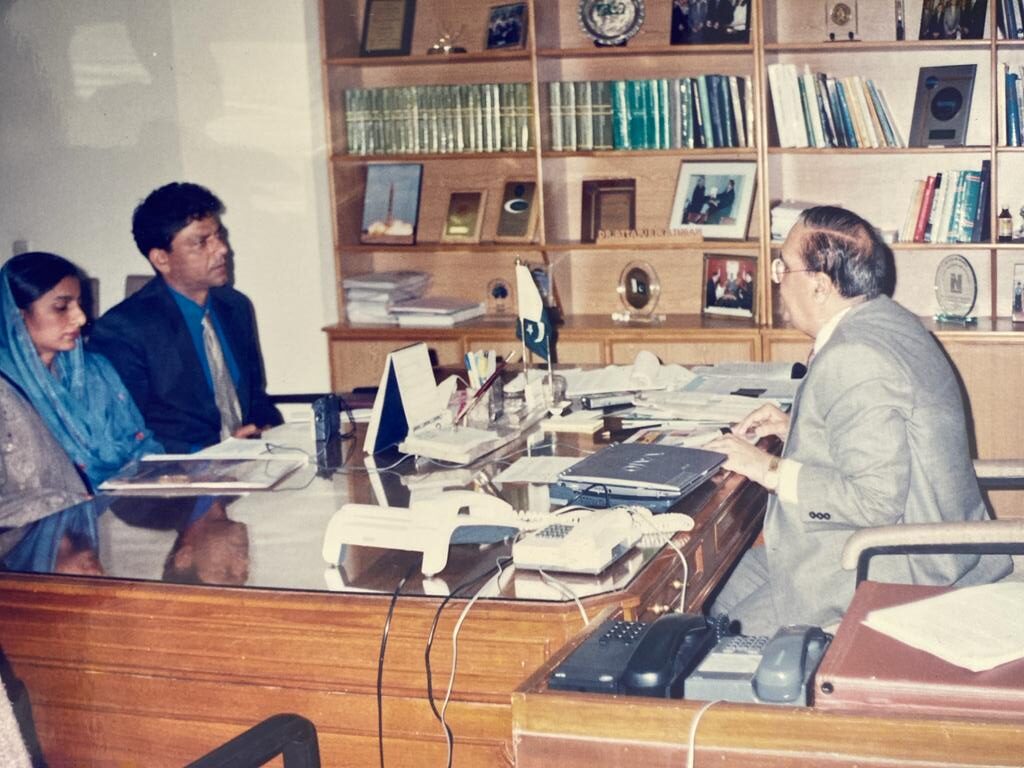
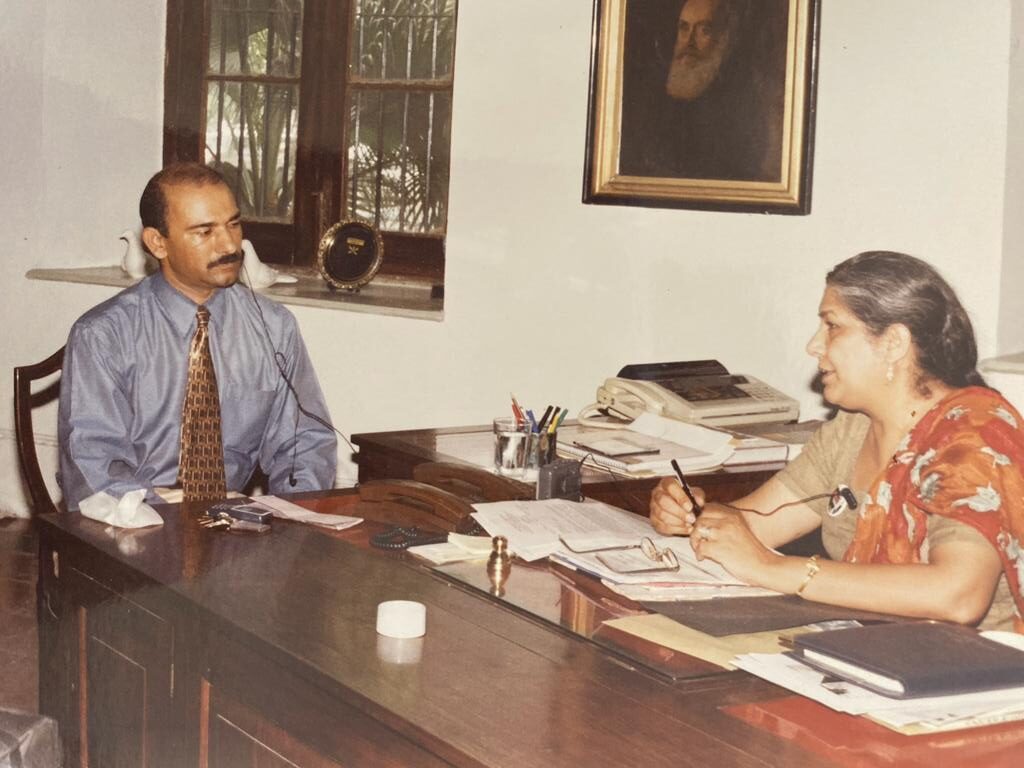
In a candid and insightful conversation, the Director of the British Council in Pakistan shared thoughts on the evolving landscape of international education, UK-Pakistan educational ties, and the dynamic role played by platforms like Education Scenario International Magazine in deepening student engagement. The interview, facilitated by Ms. Rakhshanda Khushal, then Director of Education UK, was a timely reflection on Pakistan’s rising youth potential and the enduring appeal of UK qualifications.
1. Director, thank you for joining us. Let’s begin with your perspective on UK-Pakistan educational relations over the past decade.
British Council Director: Thank you for having me. The UK and Pakistan share a long and meaningful educational relationship. Over the past decade, we’ve seen an increase in student mobility, institutional partnerships, and collaborative research. Pakistan has consistently been among the top non-EU countries sending students to the UK. We value this engagement and see it as a long-term partnership, not just a transactional exchange.
2. What are the key priorities of the British Council in Pakistan today, particularly in education?
Director: Our mission remains to build connections, understanding, and trust. In education, we focus on three main areas: supporting students in accessing UK qualifications, enabling institutional partnerships, and fostering research collaborations. Additionally, we prioritize capacity building for teachers and leadership training in schools and higher education institutions. Education isn’t just about degrees—it’s about building future leaders.
3. How do you evaluate the interest of Pakistani students in UK qualifications post-pandemic? Has the demand increased or declined?
Director: Interestingly, despite the pandemic disruptions, interest in UK qualifications has remained robust—and even grown. Students are looking for globally recognized qualifications, post-study work opportunities, and high-quality learning experiences. The UK’s Graduate Route has made a significant impact by allowing students to gain valuable work experience. Pakistani youth are ambitious, and UK education remains one of the most trusted pathways.
4. What role does the British Council play in connecting UK universities with Pakistani students and institutions?
Director: We act as a bridge. Our Education UK campaigns, scholarship information sessions, virtual fairs, and advisory services ensure that students and institutions receive timely and accurate information. We also coordinate with UK universities for outreach events, alumni engagement, and recruitment support. For institutions, we enable joint programs, faculty exchange, and strategic partnerships that go beyond student recruitment.
5. How do platforms like Education Scenario International Magazine contribute to this shared mission of education promotion?
Director: Education Scenario has been an important voice in the international education space in Pakistan. It provides in-depth coverage of global trends, country spotlights, and student success stories. For the UK, such platforms are invaluable—they offer localized messaging, amplify scholarship opportunities, and connect education providers with real audiences. Their work complements ours in raising awareness and trust.
6. UK qualifications are often seen as expensive. How is the British Council addressing affordability and access for Pakistani students?
Director: Affordability is a genuine concern. We promote numerous scholarship schemes such as Chevening, Commonwealth, GREAT Scholarships, and various institutional bursaries. Many UK universities now offer flexible payment plans and discounted tuition for international students. Additionally, we guide students to cost-effective regions of the UK where living expenses are lower. Our goal is to ensure that talented students are not held back by financial constraints.
7. How do you see the role of alumni and UK graduates in shaping the narrative of UK education in Pakistan?
Director: UK alumni are our strongest ambassadors. They carry the experience, values, and credibility of a UK education into their workplaces, communities, and networks. Whether in academia, business, civil service, or entrepreneurship, UK graduates from Pakistan have made a powerful impact. We actively engage them through alumni networks, mentoring programs, and reunions. Their stories inspire the next generation.
8. What are some challenges you face in promoting UK education in Pakistan, and how are you overcoming them?
Director: Challenges include misinformation, inconsistent counseling practices, visa anxieties, and sometimes lack of preparedness among students. We address these through verified advisory services, partnerships with schools and agents, and robust digital campaigns. We also work with the Higher Education Commission and regulatory bodies to ensure recognition and compatibility. It’s a collaborative effort—and that’s where media and education consultants play a key role.
9. How can schools, colleges, and private education consultants in Pakistan better prepare students for studying in the UK?
Director: Preparation begins early. Institutions should focus on English language skills, critical thinking, extracurriculars, and exposure to global cultures. Career counseling should be informed and ethical. Education consultants must stay updated with UK policy changes and institutional expectations. Partnerships with British Council and trusted platforms like Education Scenario can enhance readiness and reduce last-minute hurdles for students.
10. Finally, what message would you like to give to Pakistani students dreaming of studying in the UK?
Director: My message is simple: Dream big, prepare well, and be curious. A UK education will challenge and empower you, not just academically, but in how you think and engage with the world. We welcome you, support you, and believe in your potential. Explore all your options, seek authentic guidance, and use platforms like Education Scenario to stay informed and inspired.
Closing Thoughts:As Pakistan’s youth population continues to grow, the importance of quality international education cannot be overstated. This exclusive interview underlines the UK’s commitment to providing pathways for Pakistani students and highlights the British Council’s enduring role as a facilitator of knowledge exchange. Equally important is the recognition of homegrown platforms like Education Scenario International Magazine, which continue to build intellectual bridges and ensure that Pakistani students, parents, educators, and policymakers stay connected with global opportunities.
Education Scenario International (ESI) sat down with the Education and Cultural Attaché of the French Embassy in Islamabad for an insightful conversation about France’s growing appeal as a study destination, its scholarship ecosystem, the role of Campus France, and the support offered by trusted media like Education Scenario International Magazine. The discussion was rich, timely, and filled with opportunities for Pakistani students.
1. Thank you for joining us. Let’s begin with the basics: why should Pakistani students consider France for higher education?
Attaché: Thank you for the invitation. France is a global leader in science, innovation, and arts. With over 3,500 public and private higher education institutions, many of which are among the top-ranked in the world, students have access to internationally recognized programs, cutting-edge research, and a vibrant academic culture. Additionally, French tuition fees are among the lowest in Europe, thanks to state subsidies.
2. How does the Embassy of France in Islamabad facilitate students interested in studying in France?
Attaché: We operate through Campus France, our official national agency that supports students from application to arrival. In Pakistan, Campus France offices guide students with program selection, application documentation, interview preparation, visa processing, and even housing advice. We work closely with French institutions and provide regular information sessions and open days for students across Pakistan.
3. What has been the recent trend in Pakistani student mobility to France?
Attaché: We have seen consistent growth. Each year, more Pakistani students opt for French universities, especially in engineering, business, social sciences, and arts. Many are also choosing English-taught programs, which are increasingly available. The introduction of the France Excellence Scholarship and enhanced visa facilitation has further accelerated this trend. France is now firmly on the map for serious Pakistani scholars.
4. What role does Campus France specifically play in the promotion of French education in Pakistan?
Attaché: Campus France is the backbone of our student outreach. It operates under the Ministry for Europe and Foreign Affairs and acts as a bridge between French institutions and international students. In Pakistan, Campus France counselors not only promote French institutions but also help students find tailored opportunities based on their academic and professional goals. They also work with local universities to facilitate joint programs and partnerships.
5. How does the Embassy engage with local institutions in Pakistan to build academic bridges?
Attaché: We strongly believe in bilateral academic cooperation. We’ve facilitated numerous MoUs between French and Pakistani universities, encouraging faculty exchanges, joint research, and dual degree programs. Moreover, we support French language centers within Pakistani universities, providing not just language instruction but also cultural integration. These collaborations are laying the groundwork for long-term educational diplomacy.
6. What are the key scholarships or funding options available to Pakistani students interested in studying in France?
Attaché: There are several. The most prestigious is the France Excellence Scholarship for postgraduate students. Additionally, many universities in France offer tuition waivers or merit-based scholarships. We also partner with the Higher Education Commission (HEC) Pakistan for co-funded scholarships. Beyond that, students in public universities already benefit from highly subsidized tuition—around €2,770 per year for master’s and €3,770 for PhDs.
7. How do you view the role of Education Scenario International Magazine in promoting Study in France among Pakistani students?
Attaché: Education Scenario plays a vital role. It has consistently delivered accurate, timely, and engaging content about global study destinations, including France. The magazine reaches not just students but also parents, counselors, and academic decision-makers. Their efforts in covering French education fairs, interviews, and success stories are commendable. This kind of trusted media support helps us reach audiences beyond major urban centers.
8. What feedback do you receive from Pakistani students currently studying in France?
Attaché: The feedback is overwhelmingly positive. Students appreciate the academic rigor, international environment, and research exposure. France’s central location in Europe also allows students to explore job markets and cultures beyond borders. Many students are surprised by the affordability and quality of life. Of course, we also support cultural integration, language learning, and student welfare through our embassy networks and student associations.
9. How important is cultural diplomacy—language, art, events—in strengthening France–Pakistan education ties?
Attaché: Extremely important. Education is not just about degrees; it’s about cultural exchange and mutual understanding. Through Alliance Française and French language centers in universities like NUML, we promote the French language and culture. Our film festivals, art exhibitions, and Bastille Day events open doors for deeper engagement. Cultural centers are an extension of France’s educational values—diversity, creativity, and openness.
10. Lastly, what advice would you give to Pakistani students who are planning to apply to universities in France?
Attaché: Start early, research thoroughly, and connect with Campus France for personalized guidance. Learn some French—even if your course is in English—it will enrich your experience and expand your opportunities. Apply to multiple institutions and stay organized with your documentation. Finally, stay connected to platforms like Education Scenario Magazine, which can be your compass throughout the application journey.
Closing Thoughts:As global education becomes more competitive, France has emerged as a compelling option for Pakistani students looking for high-quality, affordable, and diverse academic experiences. The Embassy of France in Islamabad, through Campus France and its educational partnerships, continues to simplify access and ensure student success. The role of media partners like Education Scenario International Magazine is central to this success story. With its student-focused journalism, regional outreach, and credible reporting, the magazine has helped place France among the top education choices for Pakistani youth. France isn’t just a destination—it’s an experience of excellence, culture, and opportunity. For aspiring scholars in Pakistan, a message is clear: France is open. France is ready. France welcomes you.
As the oldest art institution in Pakistan and one of South Asia’s most prestigious, the National College of Arts (NCA) continues to play a transformative role in shaping the country’s creative future. In this exclusive interview, Ms. Sajida Vandal, an acclaimed architect, educationist, and cultural visionary, speaks to Education Scenario International Magazine about the significance of the arts, the college’s legacy, and why NCA is a top destination for both Pakistani and international students.
1. Ms. Vandal, NCA has been a cornerstone of arts education in South Asia. What makes this institution so special?
Sajida Vandal: NCA is more than an educational institution—it’s a cultural movement. Established in 1875 as the Mayo School of Arts, it carries a rich legacy of producing generations of artists, architects, filmmakers, and designers who’ve shaped Pakistan’s cultural and creative identity. What makes NCA unique is the way we blend tradition with modernity. Our curriculum, rooted in critical thinking and experimentation, empowers students to engage with their heritage while embracing global artistic practices.
2. What academic programs are currently offered at NCA, and how do they address modern industry needs?
Sajida Vandal: NCA offers a wide range of undergraduate and postgraduate programs in Fine Arts, Architecture, Design, Musicology, Film and Television, Cultural Studies, and Interior Design. Our programs are designed to be interdisciplinary and are frequently updated to stay aligned with global trends. For example, our Film and Television department has emerged as a hub for creative storytelling, and our Architecture school emphasizes sustainable design and heritage conservation—two areas highly relevant in today’s world.
3. Why should Pakistani students choose NCA over other local or international art institutions?
Sajida Vandal: First, the legacy and faculty of NCA are unmatched. Our professors are practicing artists, architects, and scholars with international recognition. Secondly, NCA offers a space where students are free to express themselves in a culturally sensitive yet critically challenging environment. We offer one of the most affordable yet high-quality art education experiences in the region, and our alumni network is deeply influential across the world.
4. How does NCA welcome and support international students?
Sajida Vandal: We are proud to be a global institution. Every year, we receive students from South Asia, the Middle East, Europe, and North America. International students bring diversity and broaden the learning experience for all. We offer advisory support, language assistance where needed, and help them immerse in Pakistan’s rich artistic and cultural context. Recently, we’ve begun discussions to expand exchange programs with partner institutions worldwide, further facilitating cross-cultural academic mobility.
5. How do you see the role of art and design in Pakistan’s socio-economic development?
Sajida Vandal: Art and design are not luxuries—they are essential to development. Creative industries contribute to the economy, promote social cohesion, and offer platforms for dialogue. In Pakistan, sectors like fashion, architecture, film, and product design are booming. We need well-trained professionals who understand both aesthetics and function. NCA graduates are at the forefront of these fields—designing sustainable homes, creating content for digital media, and leading national conservation efforts.
6. What partnerships or collaborations has NCA established globally?
Sajida Vandal: We have strong academic and cultural linkages with institutions in France, the UK, Germany, Iran, Turkey, and China. These collaborations include faculty exchanges, joint exhibitions, research projects, and curriculum development. For instance, we’ve worked closely with UNESCO on heritage projects, and our faculty have been visiting fellows at institutions like Goldsmiths, University of London, and École des Beaux-Arts. These ties strengthen our international footprint and enrich the academic experience.
7. NCA alumni have made a mark worldwide. Could you highlight a few notable examples?
Sajida Vandal: Our alumni are everywhere. In architecture, Kamil Khan Mumtaz and Yasmeen Lari are legends. In visual arts, Shahzia Sikander, Rashid Rana, and Imran Qureshi have represented Pakistan in global art biennales. Our Film and Television department has produced award-winning directors and cinematographers working with Netflix, BBC, and Cannes. Their success is a testimony to the education and creative freedom NCA offers.
8. What is your vision for the future of NCA over the next decade?
Sajida Vandal: We want to build on our heritage while embracing technological innovation. My vision is to see NCA as a digital hub for creative industries in South Asia. This includes developing stronger research departments, expanding digital design and animation labs, and strengthening ties with industry to ensure employment-ready graduates. Equally important is our mission to safeguard Pakistan’s cultural heritage through training, documentation, and conservation initiatives.
9. What role has Education Scenario International Magazine played in promoting NCA and arts education more broadly?
Sajida Vandal: Education Scenario International has been a true partner in promoting quality education and cultural exchange. The magazine has consistently highlighted NCA’s achievements, academic updates, and student opportunities—locally and globally. It bridges the gap between academia, students, and industry. Through its reach and reputation, it has helped us connect with international applicants, cultural attachés, and policymakers. Its role in fostering informed dialogue on arts education is invaluable.
10. What final message would you like to share with aspiring students and art lovers in Pakistan and around the world?
Sajida Vandal: If you are passionate about creativity, critical thinking, and social transformation, NCA is your home. Whether you’re a painter, architect, filmmaker, or designer—this is a space that nurtures your individuality while connecting you to a wider community of changemakers. We encourage international students to experience Pakistan not through headlines, but through its art, culture, and people. And to all young Pakistanis: your voice, your vision, and your craft matter. Let NCA help you shape that journey.
ConclusionThe National College of Arts is not just Pakistan’s premier art school—it’s a cultural institution with a global vision. Under the stewardship of leaders like Ms. Sajida Vandal, NCA continues to inspire generations of artists who leave a deep and lasting impact. With affordable education, global linkages, and a commitment to creativity and social relevance, NCA remains a first choice for students across the world.